Holiday Wreaths

When it comes Holiday Wreaths there are many different variations that make beautiful, festive decorations.  Depending upon what look you are searching for, just a few supplies are necessary to make a homemade, one of a kind wreath.

Traditional Greens Wreath:

Supplies:

  • Fresh or artificial greens (for example, pine tree branches)
  •  Holly Clippings: These will add a splash of color into your wreath.
  •  Wire coat hanger or a pre-made wreath frame.  If you chose to use a wire coat hanger, unbend it from its original shape into a circular shape. The hook can then be used to hang up your wreath when it is completed.
  •  Paddle wire (also called floral wire)
  •  Pine cones

First coil your floral wire around a section of the wreath frame. Next take 5-6 greens and bundle them together. Then take your floral wire that is attached to the wreath frame, and wrap it around the bundles tightly. Repeat this all around the wreath frame until it is completely covered with branches. Make sure to cover the stems when adding each bundle. Once you’ve completed your circle with branches, twist the excess wire around the wreath, trim it, and then tuck it under.

When adding the pinecones, wrap the wire around the base of the cone and make sure to leave at least 6 inches on each side. Then place the pinecones where u desire and secure them on by winding the wire around the wreath until it’s on tight. You’ve now completed your wreath!

Pinecone Wreath:

This wreath is a simpler wreath to make and has a unique flare to it.

Supplies:

  • Pinecones (You will need about 50 pinecones of different size)
  •  Paint (Color of your choice or if you chose you can leave them their natural color).
  •  Hot glue
  •  Grapevine base

All that has to be done to make this wreath is a bit of gluing! First take your pinecones and use the hot glue to glue them to the grapevine base. Then allow them to dry once they are arranged how you would like them. You can then brush them with paint of your choice or spray paint. Adding a touch of glitter will add a pretty twinkle!


Force Bulbs Indoors for an Early Taste of Spring!

Who says you have to wait until spring for the colorful beauty of bulbs? Forcing bulbs to bloom indoors is a fun and easy way to brighten up your home’s interior over the colder months ahead.

Bulbs such as tulips, daffodils, hyacinths and crocuses can all be brought into bloom earlier than normal. Since time spans from planting to blooming will differ from bulb to bulb, it’s important not to mix varieties in the same container. Also, only top-quality, good- sized bulbs should be used.


Planting

In a plastic or clay pot, plant your bulbs in a mixture of three parts garden loam, two parts peat moss and one part sand, leaving about 1’ of space at the top of the pot. The pointed ends of the bulbs should remain exposed. As a rule of thumb, sex tulips, sex daffodils, three hyacinths or 15 crocuses will fit a 6’ pot.  Water the bulbs immediately after planting, and be sure that the soil stays moist afterward.

Cold Treatment

Once planted, your bulbs will need to be kept in a cool (35 to 48 degrees F), dark location for a minimum of 12 weeks (an unheated cellar works well). Remember to keep soil moist, since developing roots can dry out and die quickly.

Forcing

As soon as the shoots reach 3’ or 4’ in height, move your pots into bright, indirect light for three or four days. Then, move the pots into direct sunlight until the flowers bloom, at which point they should be moved back to indirect light. You can extend blooming periods by keeping the roots moist and moving the pots to a cool spot at night.


For a continuous supply of flowers, try plating your bulbs at weekly intervals, bringing just a few pots at a time out of cold treatment. Enjoy!

The “Must-do’s” of Fall

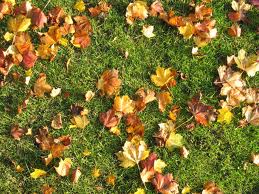
       It’s about that time where all those beautiful leaves are resting on your lawn. Should you leave them there? No! It is important that leaves are raked up from your lawn in order to keep it healthy. If you do not, it is possible that mold can grow under those leaves, similar to snow mold. This mold will suffocate and damage your turf. Sure signs of mold are white or grey spots growing throughout your lawn. In addition, thick layers of leaves can also prohibit the growth of your lawn by suffocating it and depriving it of the necessary sunlight needed for growth.

       How else should you prepare your lawn for the current and upcoming weather you ask? Try taking some of these tips:

  • Wondering what to do with those leaves after raking them from your lawn? Consider working them into your garden soil or adding them to your compost pile!
  •  If rainfall is scarce, remember that your lawn will benefit from extra watering this fall. 1″ to 1 1⁄2 ” per week will be very helpful.
  • It’s a good idea to add a layer of mulch to your landscape plantings after the first hard freeze. This will help to keep the soil temperature more consistent through winter for extended root growth.

    Lawn Mold

  • Keep that mower handy! Mowing should continue until your grass has stopped growing for the season.
  • If you have a water garden, you can keep leaves out of it this fall by covering it with netting.


Just by following these few steps your lawn will be sure to thank you with another year of green, lush grass!

Brace Yourself (and Your Trees) for Winter Weather

No trees are immune to storm damage, and winter storms can be especially severe. Whether it’s heavy snow or ice storms, the trees on your property have to contend with some pretty rough conditions over the winter season.

If you’re concerned that your valuable trees may be at risk, it’s a good idea to have them evaluated to determine what, if any, preventative measures should be taken. Protective steps may include:

Preventative Pruning: Previously damaged or weak limbs, and branches with too little space between them, can be selectively pruned to minimize the risk of tree failure under heavy snow loads.

Cabling: This reinforces weak limbs and V-shaped forks. Heavy bolts in one or more locations on limbs, with cables running between the limbs, add strength to the tree to help it avoid sudden breakage.

Bracing: This is used to give direct support and reduce twisting strain on a tree. A metal rod is inserted where the trunk splits into two or more limbs, and cables are placed above it.

All too often, the trees most damaged during winter storms are the focal point of a property. If you’ve never considered storm protection for your trees, you may want to think again. It will probably cost more to repair or replace storm-damaged trees than it would to take preventative measures right now.

Is Your Landscape a Little Too “Endeering?”

Here’s how you can fight back against destructive deer 

Increased deer populations, along with the expansion of suburban areas, means more deer are wandering into our neighborhoods. Not only are deer a definite road hazard, but they can do a lot of damage to landscapes too.

Deer tend to shy away from people, but they will browse through your landscape in search of a meal if their natural woodland food sources become scarce or depleted. Plus, they can damage your trees by rubbing their antlers against the bark.

Deterrents to Try

One approach to discouraging deer is to use plants they don’t like in your landscape (paper birch, common boxwood, American holly, daffodil and English lavender are a few examples). The problem with this approach is that deer will feed on just about any plant if they’re hungry enough.

A more effective approach is to add deer repellents to existing plants. Commercial repellents can easily be found at your local garden or home

Damage from antlers

goods store, or you might consider making your own repellent using simple bar soap. Soap bars hung in trees at about 6’ height have been proven effective, and they last longer if you leave them wrapped. Simply hang them with wire about 3’ to 4’ apart. It doesn’t matter what kind of soap you use, since deer just don’t like the smell.

Barriers can also be constructed to prevent contact with plants. Deer netting can be wrapped around smaller plantings, or it can be combined with wooden stakes to form a fence around larger specimens. If deer activity is especially heavy on your property, you might even consider having a deer-proof fence installed. These are generally made using woven wire and should be at least 8’ tall to prevent deer from jumping over them.


As beautiful as deer may be, having them hang around your landscape just isn’t good. Taking steps to keep them away will be worth the effort! But remember, it is their home too, do not take violent steps to get rid of deer!

A Great Start for New Grass

Whether you’ve had your lawn overseeded, or have opted for a more extensive lawn renovation, proper care after planting is critical to giving your grass the best chances for success. Your newly seeded lawn will benefit from the following this fall:

  • Enough water to keep the top inch of soil moist at all times. Light watering once a day is recommended. Once seedlings appear, you’ll need to keep watering, but not as often (once or twice a week should do the trick).
  • Limited foot traffic. Try to avoid walking on newly seeded areas until the new grass has been established.
  • A balanced starter fertilizer should be applied up to six weeks after the seeding.
  • Mowing at a normal height (removing no more than 1/3 of the grass blade at a time) once the new grass is 4” tall.

With a little tender loving care, you’ll be enjoying your beautiful new turf in no time!

“Is Dinner Ready Yet?”

You Can’t Blame your Lawn, Trees and Shrubs for Asking!

It’s hard to overstate how important it is to fertilize your lawn, trees and shrubs, especially during the fall. Most of the plants in your landscape will soon be shifting into dormancy, with top growth slowing down or stopping altogether. Underground, however, they’ll still be very active.

In order to prepare for new growth in the spring, your lawn, trees and shrubs must build new roots and fatten them up with nutrients. You can improve this process by making sure they get a heavy dose of fertilizer in the fall. The stronger and healthier the roots become as a result of proper fall fertilization, the better growth you can expect next year.

Some of the benefits you can expect from fall lawn fertilization include:

  • Grass blades that stay greener and roots that grow later into the season.
  • Better recovery from the stresses of summer heat and drought.
  • Increased ability to hold water, which helps grass plants withstand the drying and browning effects of winter winds.
  • Improves resistance to some cool-weather fungus diseases due to better overall plant health.
  • Thicker green-up in the spring.

By having your trees and shrubs fertilized this fall, you can expect:

  • Improved flowering.
  • Stronger resistance to insects and disease.
  • Better winter color in evergreens.
  • Healthier, denser foliage.
  • An increase in root mass and root branching.

Remember, fall fertilization of your lawn, trees and shrubs will have a direct effect on the performance of your plants throughout next year’s growing season. It’s an essential part of protecting and improving your valuable landscape investment.

Try These Bulbs for a Color Explosion!

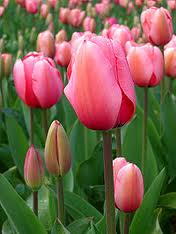
Tulips

Thinking about planting bulbs, but not sure what kind you want? Any of these choices will enhance your garden with breathtaking beauty and radiance next season. Mix them up for an unforgettable flower display!

Tulip: Looks great when mixed with annuals or perennials.

Ranunculus: Peony-like blooms are 3” o 5” across.

Ipheion

Daffodil: Great for cut flowers. Deer resistant.

Iris: Comes in purple, blue, mauve brown, orange, yellow and white.

Ipheion: Easy to grow, with small, light-blue blooms.

Anemone: Single or double blooms with contracting center color. 

Ixia: Tall flowers that look best in groups of 25 or more.

Fall is the time to Fertilize!

In Fact, This is the Best Time of Year for It

Since top growth slows down (or stops altogether) in the fall, your lawn, trees and shrubs no longer have to continue the constant flow of nutrients and water to their leaves and blades. Instead, they’re using this time to build up a storehouse of nutrients in preparation for new growth in the spring.

The storage process occurs in the plants’ root systems. A heavy fall feeding makes more nutrients available and helps to trigger the process. The fatter and more extensive roots become from fall fertilization, the better growth you’ll see next year. This is especially true for fall-seeded lawns and newly planted trees and shrubs.

Of course, improved growth isn’t the only benefit you can expect from fall feeding. With an extra dose of nutrients this fall, you can expect:

  • Stronger resistance to insects and diseases.
  • Enhanced winter color in turf and evergreens.
  • Better water-holding ability, which can decrease the drying, browning effects of cold winter winds.
  • Increased blooming in your flowering trees and shrubs.

Heavy fall fertilization is a vital part of any good lawn, tree and shrub care program. By meeting the nutritional needs of your plants this fall, you’ll be rewarded with a healthier, more beautiful landscape that you’ll love coming home to. Stay tune for more tips on how to take care of your lawn this fall!

How to Help Your Lawn Survive the Summer

SUMMER HEAT, DROUGHT AND DISEASE CAN BE DAMAGING

Many lawns are going through a stressful period right now. High temperatures are tough on turf. Combine the heat with long stretches of little or no rainfall, and lawns will start showing signs of heat and drought stress in no time.

If your grass is bluish-green in color, or if our footprints remain in the turf after you’ve walked on it, these are sure signs that your lawn can us some help. In severe case, turf can go into a dormant state causing the entire lawn to turn brown.

WATER PROPERLY TO AVOID STRESS

The best way to prevent heat and drought stress is to give your lawn plenty of water. As a general rule, your turf needs from 1” to 1 ½ “ of water per week from rainfall or sprinkling.

When sprinkling, it’s important to let water soak in to a depth of 6” so that enough moisture reaches the roots. Less frequent, deeper watering is more beneficial than frequent, shallow sprinklings. Also, it’s best to water during the cooler parts of the day when less water will evaporate in the sun’s heat.

WHAT IF YOUR LAWN STILL LOOKS STRESSED?

If you are watering properly and your lawn still looks unhealthy, a summer turf disease may be to blame. Symptoms of turf disease usually involve spots on grass blades that vary in size and color.

Unlike heat and drought stress, which can affect the whole lawn at once, diseases affect only small portions of turf at first. They then work themselves outwards as they spread, creating areas with major damage bordered by areas with minor damage. It’s important to tend to lawn diseases as soon as possible after they’re discovered in order to keep them in check and prevent further damage from occurring.

Summer can be intense, but your lawn doesn’t have to suffer. Proper watering and disease control (if necessary) can make the season much more tolerable for your tired turf!