Spring Feeding: Yes or No?

“Do my trees and shrubs really need to be fertilized?” We hear this question time and time again from our customers, and the answer is a resounding “yes!”

Construction activities when homes are built lead to soil that is heavily compacted, poorly aerated and poorly drained – not the best conditions for tree and shrub growth. Consider too that in their natural forest habitat, trees and shrubs have a constant supply of nutrientsimages-75 from decomposing layers of leaves and other organic matter on the forest floor. But in our lawns and landscapes, we regularly rake away leaves and other organic matter before it has a chance to decompose.

What Fertilizer Does

Fertilizer ensures that your trees and shrubs have the essential nutrients they need for healthy growth: nitro- gen, phosphorus and potassium. When they’re fertilized regularly, your trees and shrubs will exhibit deeper color, denser growth and better blooming. Plus, they’ll have an improved ability to fight off insects and disease. Fertilization also helps roots to branch out and grow in size, making it easier for your trees and shrubs to survive drought and other stresses.

What if They’re Not Fertilized?

Without fertilization, your trees and shrubs won’t be able to reach their true potential. And over time, they may begin to show signs of nutrient deficiency, including:

• Poor leaf color

• Reduced leaf size

• Premature fall coloration and leaf drop

• Reduced twig and branch growth

• An overall reduction in tree growth and vigor

By having your trees and shrubs fertilized regularly, you’ll be rewarded with healthier, more beautiful trees and shrubs that you can enjoy for many years to come.

Can Your Lawn Take the Heat?

Summer will be here soon, and it can be brutal on your lawn. But summer hardiness can be improved this year and in the years ahead. Here are some things to think about throughout the rest of the growing season:

Mowing: As temperatures increase, you should gradually raise your mowing height by 25% to 50%. Also, you should remove no more than 1⁄3 of the grass blade at a time. This will keep the soil shaded and encourage deeper roots. When summer heat starts to subside, you can gradually lower the mowing height again.

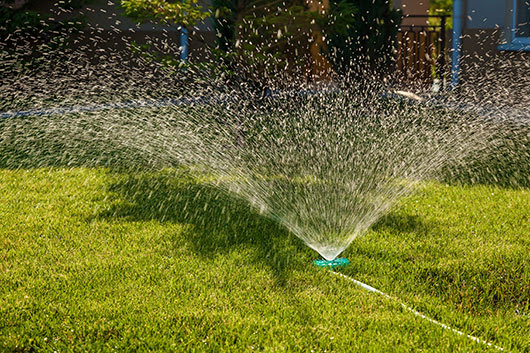
Watering: Water your lawn deeply and infrequently, since light, frequent waterings encourage shallow roots that can’t sustain grass plants. Your lawn needs from 1″ to 1.5″ lawn-hostasof water per week from rainfall or sprinkling, and you should soak the soil to a depth of 6″ each time. Early morning is the best time to water.

Core Aeration and Fertilization in the Fall: Core aeration opens up the soil, breaks
 up thatch and improves the flow of air, water and nutrients to the roots. By having your lawn fertilized after aeration, your turf will be less susceptible to disease while exhibiting improved recovery from the stresses of summer heat and drought. Fall fertilization will also lead to fewer summer weed problems and better fall-to-spring color.

Have Three Seasons of Floral Beauty

Did you ever consider having three full seasons of color on your property? You can, and it’s fairly easy! By using early to late bulbs in spring, annuals in the summer and mums in Pansy_Atlas_Mixthe fall- plus your flowering trees and shrubs- you’ll have non-stop color almost year-round. Here are a few tips that may make your personal “flower show” more successful.

There are two basic ways to plan floral displays. You can go for the maximum visual impact or “wow appeal” by having a few massive beds of one or two types of flowers. The challenge with this approach is that in trying to keep the gardens fresh, you need to eliminate the spring bulbs before planting the summer annuals. And then do the same again in the fall when the chrysanthemums are ready to become your focal point. This process is more work and can be more expense, but you can really knock the socks off your guests and neighbors with massive flows of color.

The second basic approach is to plant your flowers in a border-type bed of mixed types of mixed_bulb_flowers_1plants. With this approach, you will mix all of the different kinds of flowers through the season, so that as your bulb foliage dies down your annuals begin to thrive and help cover the browning bulb leaves. Many gardeners find this approach more enjoyable for the variety it delivers year round. And you can include small shrubs and perennials as well. Planning a great mixed garden takes careful planning with consideration of blooming times and height of the different plants chosen.

The hardest part of creating a floral show comes first- improving the soil. As with all kinds of gardens the old saying also holds true for flowerbeds, “for every dime you spend on plants, put ninety cents into the soil.” Incorporate organic materials and lots of it. You can use compost, rotted manure, peat moss or any combination of these. Just be sure it’s mixed in really well and deep.

Once the soil is ready, the fun can begin! In selecting your spring bulbs, the choices are enough to boggle the mind. And since most bulbs bloom either early spring, mid-spring or Unknown-17late spring, you can have a succession of beauty and enjoyment just from the bulbs you select. It’s good to be aware that some bulbs (like daffodils) continue to multiply and stay vigorous from year to year while others (like tulips) tend to dwindle in quantity and quality if not pulled out and separated each year. A great feature of bulbs is that most get planted in the fall, so all winter you can imagine the show you’ll have in the spring.

There is also an abundance of summer annuals from which to choose. Be sure to select annuals that will work well in the amount of sun your garden gets and how well you’ll be able to water during hot, dry periods.

Even though most annuals will keep blooming until cold weather, extending the fall with one more change is exciting. Like all the plants we’ve been talking about mums come in a variety of size, color and texture. The standard garden mum is a good performer almost every year. From rust to deep reds and bright yellows and whites, grouping of three or five plants (or more) add a vast burst of color to an almost-finished season.

The great thing to remember is that you can “jump onboard” during any season and enjoy the wonderful feeling of watching something you’ve planted grow!

Plant Health Care

The most common reason homeowners and business mangers call in a tree or lawn expert is because they are concerned something is wrong with their plants. Tree decline, insects,  power rakedisease attack and the weather often works against us. Sometimes a simple solution is available. For others, a more complex program is needed. Sometimes, when a problem has gone on too long, the plants may be lost.

These types of situations led to the development of Plant Health Care programs. Basically, PHC programs are designed to maintain or improve the health of your plants using the most cost-effective and environmentally sensitive practices and treatments available. They operate by monitoring your landscape. This may be as simple as an annual walk-through or as involved as monthly visits. It depends on the complexity and diversity of your landscape. Often monitoring is done in conjunction with your tree care and lawn care programs; while regular preventive and curative applications are being made, other aspects of your property are checked for healthy growth.

When problems beyond the scope of your regular programs arise, your professional will devise solutions and work with you to implement them.

The main point is to work with professionals who are trained and interested in helping keep your property in top condition- people who know how to spot and identify problems or potential problems and how to communicate effectively with you, the owner. Here at Emil Yedowitz Landscaping, we are devoted to finding the best plan for helping you to maintain a healthy landscape.

Mulch- More Than Just “Pretty”

Much more to mulch then what meets the eye

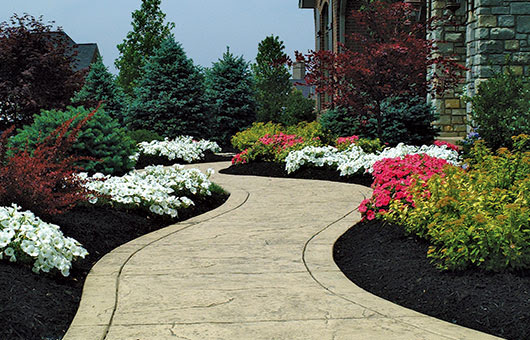
images-11Mulch- most of us think of it as something there to make the ground look good.  And a clean edging job and fresh mulch does just that. The consistent color and texture do improve the looks of your shrubs and flowers. In fact, dark colored mulches even widen the pupil of the eye, making bright plants stand out even more. Mulching also cuts down a lot on the amount of time and effort it will take to keep your beds and your whole property looking better throughout the entire season. Here are some of the advantages of spring mulching.

Some of the things you can count on mulch to do for you:

  • Prevent many weeds and grasses from sprouting by blocking sunlight from the soil
  • Keep up to 21% more moisture in the soil around the root zone
  • Help soil stay up to 10 degrees cooler in summer, which reduces stress on the plants

mulching-794901What is the best mulch to use? There is a huge variety of mulch materials available and you can have “bulk” or bagged mulches. Your choice will probably depend on what’s available and your personal preference for color and texture.

Whatever type of mulch you prefer, it’s best to get an early start for the most benefits. So mulch now for an easier season later on.

Make This the Year Crabgrass Loses!

It doesn’t have to be an uphill battle

Scientists have recorded 50-year-old crabgrass seeds sprouting after being brought to the surface from deep in the soil! They are very tough seeds, and a challenge when it comes to controlling this grassy weed.

A Very Prolific Producer

Just one mature crabgrass plant can produce from 4,000 to tens of thousands of seeds, which are then brought into your lawn by birds, on the shoes of your mailman or other images-75visitors and blown in by the wind. Once these seeds lodge in your soil, they don’t need much to germinate, grow and begin to spread. Because crabgrass is an annual, it grows quickly to a circular plant 12 inches in diameter. It defeats your slower growing turf and leaves large holes or voids when it dies in the fall.

A Two Prong Attack to Win Against Crabgrass

  1. Crabgrass needs bare or nearly bare soil in order to germinate. It has trouble getting a hold in thick and healthy lawns. So the first step is to keep your lawn healthy and thick. That means a good fertilization program: keeping up with pests and being sure the lawn gets enough water and is mowed properly.
  2. Use a combination of both pre- and post- emergent herbicides to directly control crabgrass.

A pre-emergent herbicide is applied in the spring or late fall to set up a barrier in the soil. As weed seeds just begin to germinate, they are eliminated by the pre-emergent.

A post-emergent herbicide can be used to treat any established crabgrass plants in your lawn. This type of herbicide will kill off the crabgrass without harming your established lawn.

Crabgrass and other annual weed seeds will keep coming into your lawn. The best solution is to remember the “two prong” attack- healthy lawn practices and a combination of herbicides- to get any that slip through and make sure you win this year!

Professional Landscape Maintenance Just Makes Good Cents!

Maintaining your landscape can become something like cleaning out the garage- you can do just the minimum to get by and get to the rest of it “later.” But unlike your garage, the images-77landscape keeps changing and growing. Weeds keep sprouting, shrubs keep growing and turf and ground covers continue to creep over sidewalks and drives. Before long, your whole landscape can start looking shaggy and overgrown. And once problems get started they almost never disappear on their own and usually get harder to solve.

Get it on the Schedule!

IMG-20110629-00091Regular, professional clean-up, weeding and pruning will make your property and your life a lot happier. This may include a spring clean-up, edging of beds and application of mulch along with any needed pruning. This can be followed by a mid-season weeding and pruning and then in the fall for a final clean-up. Having a big event this season? Arrange now for the services you may need. Most programs are customized to some extent to meet the different challenges of various landscapes. You can make this the year to get landscape in shape by getting it on the schedule!

Decide Early for True Spring Landscaping

Spring is a time when most of us turn our attention to the outdoors. The idea of seeing flowers and shrubs in bloom and trees leafing out gets us all excited. It’s also a great time Unknown-15to arrange for some landscape projects around your property. Installing a new patio or building an outdoor fireplace or just renovating your entry can really make a change to your enjoyment of your outdoor living “room.”

But a problem comes up sometimes, because everyone feels the same way. They want to see and use their new spring project right away. As a result, contractors often get so loaded with projects that they have to start booking jobs to be done as much as several months later.

But there is a Solution!

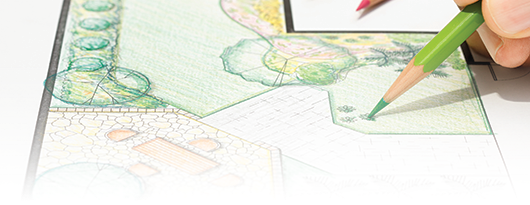
Decide and act before the rest of the “crowd” does. Get your plan and specifications drawn up before most people are even thinking about it. This gives you several advantages. First you’re getting more time to put into your plan, and secondly, your project will be done before the others even take the first steps! So call today and make your spring and summer a lot more enjoyable in your new landscape!

Early- Spring Essentials: Get a Jump on the Season Ahead!

Welcome back! We’ve had a tough winter these past few months with all of the snowstorms, but birds are starting to chirp each morning… what does this mean? Spring is almost here! As temperatures rise and the snow melts away, it is time to prepare for the season ahead! The harsh weather has taken quite a toll on our plants, lawn and trees and its important to keep these simple spring essentials in mind as the season approaches!

Pruning: Many structural problems in ornamentals can be corrected right away before images-134plants begin to leaf out, with corrective pruning. Any winter-damaged wood can be pruned away. Very heavy wood can be removed, improving air circulation and plant shape. Overlapping and rubbing branches should be dealt with in order to eliminate this area as a possible site for insects and disease to invade the plants.

Clean Up: Leaves and debris should be blown or raked and removed from lawn areas, as well as shrub and flower beds.

Mulching: A spring application of mulch will help to prevent weeds, conserve moisture in the soil and keep soil temperatures cooler as the weather heats up. By including pre-Unknown-14emergent under the mulch it will help to control weeds throughout the season. Mulching should be a uniform thickness on the planting beds, and be sure to avoid piling mulch especially deep, or “coning” around the trunks of trees.

By just arranging for these three things, you’ll have made a great start to a better looking property!