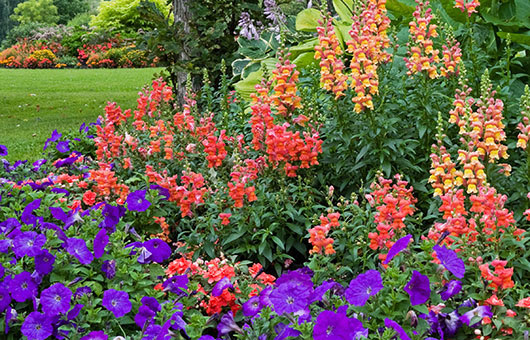
Have Three Seasons of Floral Beauty

Did you ever consider having three full seasons of color on your property? You can, and it’s fairly easy! By using early to late bulbs in spring, annuals in the summer and mums in Pansy_Atlas_Mixthe fall- plus your flowering trees and shrubs- you’ll have non-stop color almost year-round. Here are a few tips that may make your personal “flower show” more successful.

There are two basic ways to plan floral displays. You can go for the maximum visual impact or “wow appeal” by having a few massive beds of one or two types of flowers. The challenge with this approach is that in trying to keep the gardens fresh, you need to eliminate the spring bulbs before planting the summer annuals. And then do the same again in the fall when the chrysanthemums are ready to become your focal point. This process is more work and can be more expense, but you can really knock the socks off your guests and neighbors with massive flows of color.

The second basic approach is to plant your flowers in a border-type bed of mixed types of mixed_bulb_flowers_1plants. With this approach, you will mix all of the different kinds of flowers through the season, so that as your bulb foliage dies down your annuals begin to thrive and help cover the browning bulb leaves. Many gardeners find this approach more enjoyable for the variety it delivers year round. And you can include small shrubs and perennials as well. Planning a great mixed garden takes careful planning with consideration of blooming times and height of the different plants chosen.

The hardest part of creating a floral show comes first- improving the soil. As with all kinds of gardens the old saying also holds true for flowerbeds, “for every dime you spend on plants, put ninety cents into the soil.” Incorporate organic materials and lots of it. You can use compost, rotted manure, peat moss or any combination of these. Just be sure it’s mixed in really well and deep.

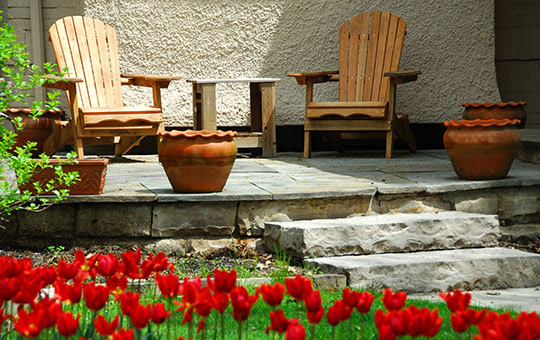
Once the soil is ready, the fun can begin! In selecting your spring bulbs, the choices are enough to boggle the mind. And since most bulbs bloom either early spring, mid-spring or Unknown-17late spring, you can have a succession of beauty and enjoyment just from the bulbs you select. It’s good to be aware that some bulbs (like daffodils) continue to multiply and stay vigorous from year to year while others (like tulips) tend to dwindle in quantity and quality if not pulled out and separated each year. A great feature of bulbs is that most get planted in the fall, so all winter you can imagine the show you’ll have in the spring.

There is also an abundance of summer annuals from which to choose. Be sure to select annuals that will work well in the amount of sun your garden gets and how well you’ll be able to water during hot, dry periods.

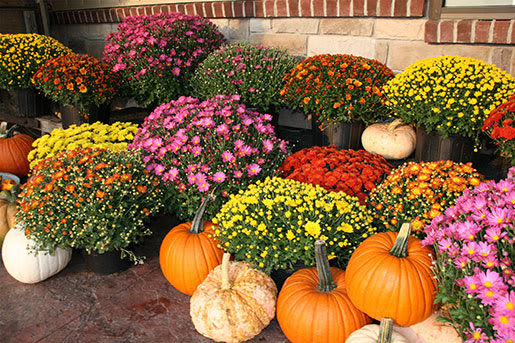
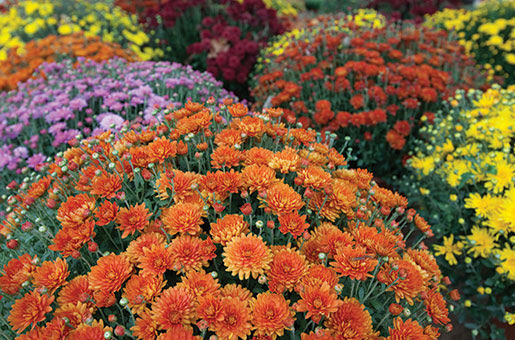
Even though most annuals will keep blooming until cold weather, extending the fall with one more change is exciting. Like all the plants we’ve been talking about mums come in a variety of size, color and texture. The standard garden mum is a good performer almost every year. From rust to deep reds and bright yellows and whites, grouping of three or five plants (or more) add a vast burst of color to an almost-finished season.

The great thing to remember is that you can “jump onboard” during any season and enjoy the wonderful feeling of watching something you’ve planted grow!

Holiday Wreaths

When it comes Holiday Wreaths there are many different variations that make beautiful, festive decorations.  Depending upon what look you are searching for, just a few supplies are necessary to make a homemade, one of a kind wreath.

Traditional Greens Wreath:

Supplies:

  • Fresh or artificial greens (for example, pine tree branches)
  •  Holly Clippings: These will add a splash of color into your wreath.
  •  Wire coat hanger or a pre-made wreath frame.  If you chose to use a wire coat hanger, unbend it from its original shape into a circular shape. The hook can then be used to hang up your wreath when it is completed.
  •  Paddle wire (also called floral wire)
  •  Pine cones

First coil your floral wire around a section of the wreath frame. Next take 5-6 greens and bundle them together. Then take your floral wire that is attached to the wreath frame, and wrap it around the bundles tightly. Repeat this all around the wreath frame until it is completely covered with branches. Make sure to cover the stems when adding each bundle. Once you’ve completed your circle with branches, twist the excess wire around the wreath, trim it, and then tuck it under.

When adding the pinecones, wrap the wire around the base of the cone and make sure to leave at least 6 inches on each side. Then place the pinecones where u desire and secure them on by winding the wire around the wreath until it’s on tight. You’ve now completed your wreath!

Pinecone Wreath:

This wreath is a simpler wreath to make and has a unique flare to it.

Supplies:

  • Pinecones (You will need about 50 pinecones of different size)
  •  Paint (Color of your choice or if you chose you can leave them their natural color).
  •  Hot glue
  •  Grapevine base

All that has to be done to make this wreath is a bit of gluing! First take your pinecones and use the hot glue to glue them to the grapevine base. Then allow them to dry once they are arranged how you would like them. You can then brush them with paint of your choice or spray paint. Adding a touch of glitter will add a pretty twinkle!


Party on the Patio!

As the nights grow cooler this fall, there’s no need to move the party indoors. There are several options for keeping things warm and cozy outside, well into the night.

Patio Heaters

You’re probably most familiar with free- standing patio heaters, which are generally about 8’ tall, though table-top versions are also available. A propane gas tank concealed in the base usually fuels these heaters, but there are also natural gas and electric models depending on your needs and preferences. A good patio heater will enable you to regulate the amount of heat given off. For a reasonable price, you can purchase one that will warm an area 20’ in diameter pretty reliably.

Fire Pits and Fireplaces

There’s something to be said for burning wood outdoors. Cast-iron fire pits with wheels can easily be moved out of the way when not in use, or you can have a pit dug into the ground if you’d like something more permanent. For a more formal look, consider a brick, stone or concrete fireplace with a venting hood, shelves and even storage space for wood. If you do go with a wood-burning option, make sure there is plenty of space between the fire source and the seating for both comfort and safety.

Don’t Forget the Lights!

Regardless of the temperature outside, proper lighting is essential for extending the use of your patio into the nighttime hours. Low-voltage exterior light fixtures can provide ample illumination to help you and your guests move about safely. Plus, the low voltage requirements won’t drive up your electric bill.

Limited Space? Try a Container Garden!

Even if you don’t have room for planting beds on your property, you can still get plenty of enjoyment out of growing your own flowers, herbs and vegetables.  With container gardening, a deck, patio, balcony or even a doorstep can provide all the room you need.

Choosing a Container

Containers come in many sizes, shapes and materials. Depending on your specific tastes, you may prefer plastic, ceramic, wood or clay containers. For adequate drainage, make sure they have holes in the bottom.

The container size you will need can be determined by the type of plants you’re growing. Shallow-rooted plants (e.g. lettuce, herbs and most annuals) require a container at least 6” across and 8” deep. For deep-rooted perennials, tomatoes or cucumbers, you’ll need something larger.

Soil Type

Regular garden soil tends to hold too much moisture when used in a container, depriving the roots of much-needed oxygen. Instead, lightweight, packaged potting soil may beused, or you can make your own mix using one part peat moss, one part garden loam, and one part vermiculite or perlite. Whether you’re starting with seeds or seedlings, your container should be filled to within 2” of the top with your planting mix.

Care After Planting

Most containers need daily watering in hot, dry weather. Lighting needs will vary depending on plant type, and your container can be moved if a spot is too sunny or shady. To improve plant vigor, a slow-release fertilizer can be added every two weeks.

With just a little bit of space it easy to have your very own garden!

Is Your Deck a Wreck?

They say that nothing lasts forever, and if you have a wooden deck that is getting on in years, you can probably relate. With summer right around the corner, this is a great time for redoing your deck or making improvements.

Consider a more durable option

Synthetic decks are becoming more common as property owners look for environmentally friendly alternatives to traditional wood construction materials. Made from recycled plastic,

vinyl, or a combination of recycled plastic and sawdust, these decks are very sturdy and don’t warp or split like wood does.

Various colors are available depending on your specific tastes, and you can count on synthetic decks to last longer than their wooden counterparts. Plus, synthetic maintenance needs are minimal when compared to wood, with no sealing or re-staining necessary. Simply hose the deck down periodically, and you’ll be good to go!

Take it to the next level

With multiple levels, a smaller deck just for eating or one that takes advantage of a special view can be installed above the main deck. Or, a smaller deck can be installed just a few steps down from the main deck, with more steps leading to the ground. This second deck might have built-in seating for overflow crowds. Having a second deck serves as a landing is also safer than having one long flight of stairs if your main deck sits high above the ground level.

Thing beyond traditional deck space

Imagine how nice it would be to have a deck combined with a screened-in porch, a gazebo, or a three- or four-season room. Flexible spaces such as these let your enjoy the outdoors even when the weather is less than ideal. They’re perfect for quiet reading, entertaining friends and spending quality time with your family.

Remember, upgrading and improving your deck is a great way to add to the value of your home while getting more use from your outdoor space. Why not get started planning your new deck today?

Outdoor Fireplaces Are a Hot Item

One of the biggest trends in landscape improvements is the outdoor fireplace, which makes it possible to enjoy your outdoor living space all year-round. If you’ve been thinking about adding a fireplace to your landscape, you have some decisions to make. For example:

  • Do you want gas-burning or wood-burning? Wood-burning fireplaces provide a more authentic look and feel with crackling sounds and the smell of smoke. Gas-burning fireplaces don’t create any smoke and are easily turned on and off.
  • Do you want to include a grill for barbecuing? What about storage space for wood or shelves to hold other items?
  • What construction materials do you want to use? Brick, stone, concrete… a combination of all three? How about adding small rocks or tiles for unique finishing touch?
  • Where will your fireplace be located? You’ll want to keep it as far away as possible from your home, plants and any other structures that could burn. Also, be sure that there is at least 3’ of clearance between seating areas and the fireplaces (for both safety and comfort).

Carefully planned and professionally installed, an outdoor fireplace is sure to become a popular “hot spot” on your property. Enjoy!

Treat Yourself to a Shady Escape

When it comes to the sun, it’s definitely possible to get too much of a good think. Without enough shade in your yard, the amount of time you get to spend enjoying your outdoor living space is going to be limited.

OPTIONS FOR CREATING SHADY AREAS

One obvious way to bring shade to your yard is to plant trees, such as oaks and maples, which will provide ample shade once they’ve had a chance to grow. Of course, that’s not going to take care of your problem right away.

If you’re looking for a quick fix, a table/umbrella combination or an awning can be added to your existing patio or deck. Or, you might even consider installing a permanent wooden gazebo if you have the available space in your yard.

For a more natural-looking shade source that blends in better with your landscape, a vine-covered trellis or pergola makes an excellent choice. Installed over a patio or seating area, this wooden latticework structure will provide beautiful shade and shelter once the vines get established.

The great thing about vines is that they can flourish in very narrow spaces. Plus, they can grow in only half a season, rather that the many years it takes for a tree to reach full size. There are plenty of vines to choose from. It’s simply a matter of matching the plant to your needs and tastes and growing conditions. Morning glory, grapes, hardy kiwi, rose, clematis and wisteria are all good to work with.

No matter what type of shade source you chose, you’ll be enhancing the looks, functionality and value of your landscape. It’s definitely an investment worth making.

Hummingbird- Friendly Plants

If you’re interested in attracting hummingbirds to your property without using a feeder, keep in mind that they visit plants with lots of blooms and nectar. Red flowers are helpful, but they aren’t a necessity. You might want to try planting some of the

se around your landscape:

Shrubs:

  • Butterflybush
  • Trumpet vine
  • Summersweet

Perennials:

    •  Bleeding heart
    •  Butterflyweed
    •  Beardtongue
    •  Daylily
    •  Bee balm
    •  Cardinal flower
    •  Coral bells
    •  Delphinium
    •  Foxglove (bi-annual)
    •  Hollyhock (bi-annual)

Annuals:

  •  Impatiens
  •  Nasturtium
  •  Salvia
  •  Spider flower
  •  Snapdragon
  •  Morning glory
  •  Petunia
  •  Flowering tobacco

Hummingbirds are a delight to watch, and common North American species can beat their wings up to 53 times per second!

Pavers Give Pizzazz to Walkways and Patios

Can your walkway use a little improvement after all this snow? Pavers come in all sorts of shapes, sizes, colors and materials, including eco-friendly recycled rubber. They make a great alternative to concrete if you want to add a little more character to a walkway or patio.
Durable and versatile, pavers will bring form and function to your property while complementing your landscape’s natural components. Plus, the joints between pavers help to eliminate the cracking that normally occurs over time with poured concrete.
Consider some of the paver types shown here when it’s time to get started on your next walkway or patio project!

For Landscape Improvements with No Surprises, Plan Carefully!

Landscape improvements can make a tremendous difference in the looks, usefulness and value of your home. There’s no time like the present to start thinking about new projects!

IT ALL STARTS WITH A PLAN

Landscapes consist of several different parts, such as walkways, hedges, trees, flower beds and patios. A good improvement plan will take each part of your property into consideration and ensure that all of your new landscape projects work.

Even if you’re just making a few improvements immediately, creating a strong plan early can save you significant time and money in the long run. You will find that with a good plan, it’s easier to set priorities, and individual projects can be tackled more quickly because they’ve been thought out in advance.

If you have an older landscape, you might consider a systematic plan for rejuvenating a small section of your property each year. This is an effective way to spread landscape renewal expenses out over several years while “keeping up” with the aging of your plants. Plus, by focusing on just one or two areas at a time, there will be less distraction to slow down your process.

By planning carefully now, you can look forward to a beautiful landscape! So next time your snowed in, get out your pencil and paper and start planning!